BBQ
BBQ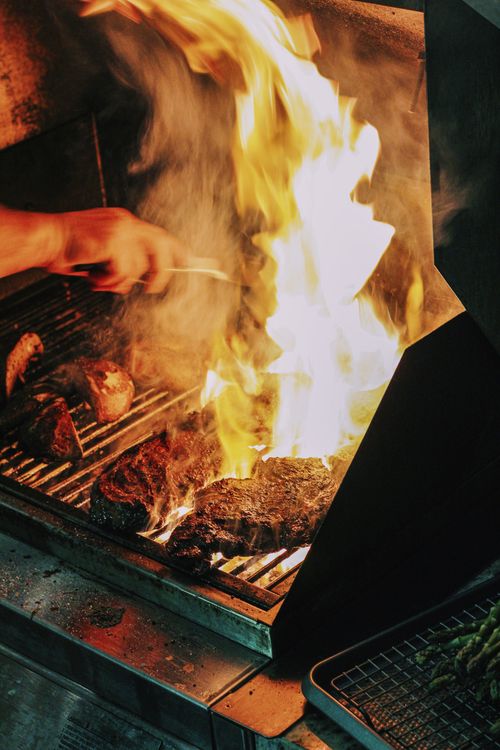
Begin with curiosity
Imagine the first plate arriving while there is still plenty of afternoon left. Someone tears bread; someone passes a bowl. That is the atmosphere we want to make room for in this hosting guide. South African Tourism places open-fire cooking within a varied food culture shaped by many communities. Its guide describes boerewors as a coiled, spiced sausage with regional and cultural variations, and shisa nyama as charcoal-grilled meat associated with township cuisine. These names offer starting points for learning from South African cooks. They are not a checklist that can capture every household or occasion.
Ask one good question before you shop
If you are invited to a braai, ask your host what would be useful to bring. A specific answer makes planning easier than arriving with another main course that needs the same crowded grate. If you are hosting, give each willing contributor one clear job: a salad, bread, a vegetable dish or something to drink. Ask about dietary needs before agreeing the menu. Our suggestion is to write the dishes down together, including what needs cooking and what arrives ready to serve. This small piece of coordination lets the gathering feel generous without leaving the host to solve the entire meal outdoors.
Choose one South African starting point
For a first menu, look for boerewors from a producer who can explain the ingredients and cooking instructions. Read the label rather than assuming every version contains the same meat or seasoning. Pair it with a vegetable platter, bread and a fresh salad, then leave space for guests to suggest a family favourite. Those accompaniments are our practical menu proposal. For dishes such as chakalaka or potjiekos, follow a South African cook’s complete recipe and credit that creator when you share it. If an ingredient is unavailable locally, describe your substitution plainly. A thoughtful adaptation is more useful to your guests than an unsupported promise of authenticity.
Give the cook somewhere to move
Plan the cooking surface before adding food. Weber’s charcoal guide describes a two-zone arrangement with direct heat above the coals and indirect heat beside them. That creates different places to work on the surface and continue a gentler cook. Follow your own cooker’s instructions for its fuel, airflow and lid position; a kettle setup does not automatically describe an open masonry braai. Keep the menu modest enough that each dish has room. For a new ingredient, choose a reliable recipe and check its method in advance. Avoid making your first attempt at several unfamiliar dishes during the same gathering.
Keep hospitality and food handling together
Set out a clean serving platter before the first batch is ready. Keep raw meat and its utensils separate from cooked food and ready-to-eat sides. USDA guidance recommends keeping meat and poultry refrigerated until they are needed and checking doneness with a food thermometer. Use the appropriate temperature for the food you are actually cooking; sausage, poultry and a whole cut are different tasks. Bring ingredients out in manageable batches. This preparation lets you concentrate on the people and the cooking rather than searching for a clean plate at the moment something must come off the heat.
Finish with a menu you can remember
For a manageable first afternoon, write a short sequence: prepare the cold sides, set the table, organise the cooker, cook the main and serve the food as it becomes ready. Give someone else responsibility for bringing bread and drinks to the table. Our charred vegetables and ember potatoes offer two possible supporting dishes; choose the one whose method fits your equipment and schedule. After the meal, note one thing you would repeat and one thing you would simplify. Then follow the source links and explore another South African cook or regional dish. Let the next gathering grow from a real discovery, one plate at a time.
Explore the source.
An original BBQ Stories article, prepared with AI assistance. Our editorial approach